
works

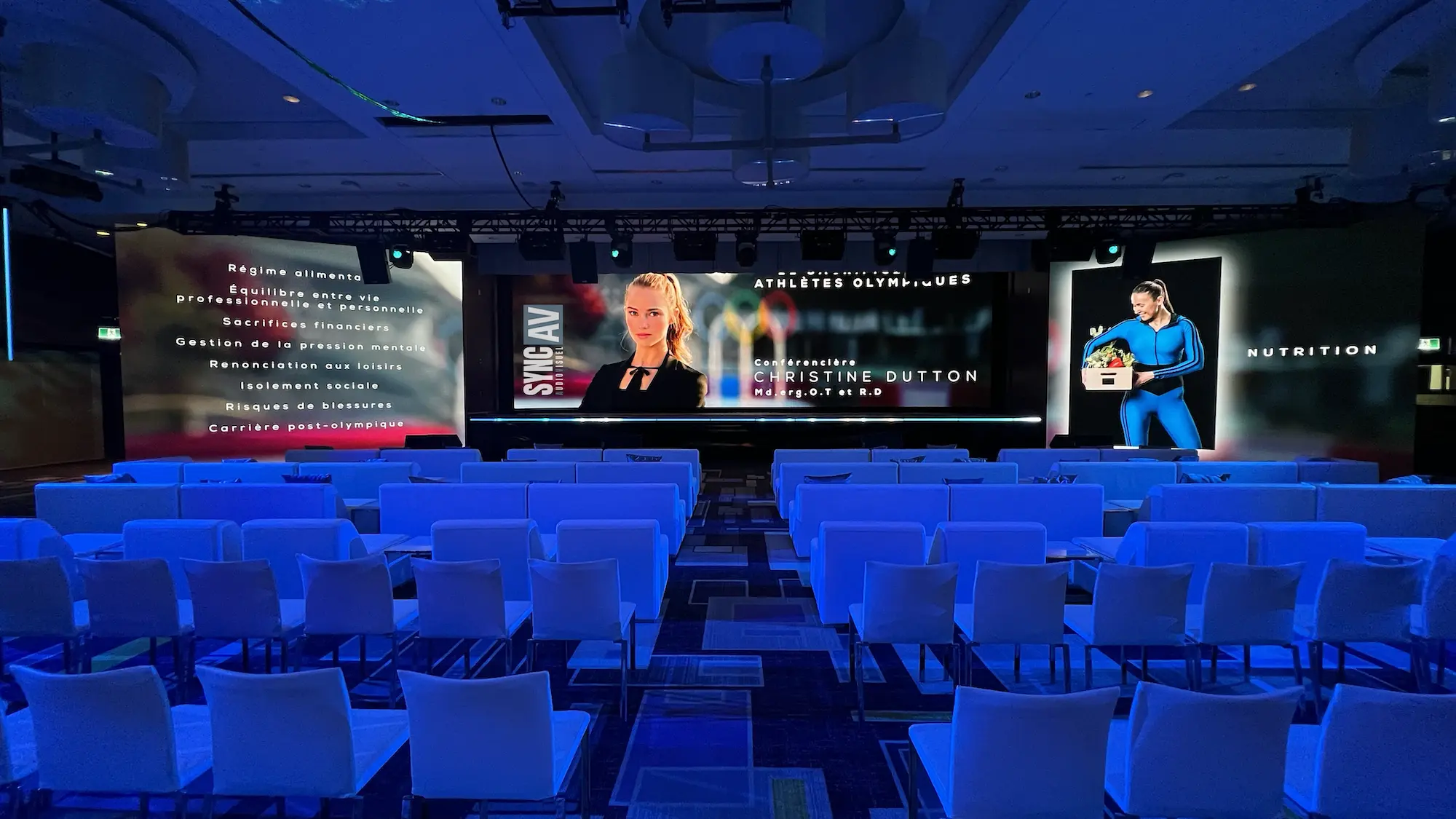
Conferences, Galas, Conventions: Understanding the Differences in Audiovisual Production

Each type of event requires specific audiovisual production. Discover how to adapt your technical choices for a professional, impactful, and seamless result.

Category • 
No items found.
Date • 

Why Adapt Audiovisual Production to the Type of Event?

  • Each event format has its own objectives and requirements.
  • Using the same technical setup for all types of events limits their impact.
  • Well-thought-out production strengthens the event’s credibility and audience engagement.
  • Common mistake: standardizing everything, which can harm the experience.

Conferences: Clearly Convey, Effectively Captivate

  • Main objective: Convey a message or knowledge.
  • Clear sound without crackling or interruptions.
  • Lavalier or headset microphones to free the speaker’s hands.
  • Confidence monitor to help the speaker stay aligned with the presentation.
  • Fixed or mobile cameras for discreet yet effective recording.
  • Video capture for internal broadcasting, archiving, or post-event sharing.
  • Optional live streaming with real-time chat or polls.
  • Avoid: blurry projection, microphone issues, poor slide management.

Galas: Care for Staging and Atmosphere

  • Main objective: Offer a memorable, often festive or celebratory experience.
  • Creating a visual atmosphere with ambient lighting and light shows.
  • Audio system capable of handling speeches and musical performances.
  • Dynamic video capture with multiple cameras: wide shots, close-ups, audience reactions.
  • Video projections on stage or in the background.
  • Integration of visual or special effects: haze, LED, video walls, immersive projections.
  • Technical rehearsals to ensure smooth execution.
  • Avoid: cold ambiance, poorly timed effects, poor sound quality.

Conventions: Coordinate Complexity and Ensure Fluidity

  • Main objective: Share content on a large scale, often across multiple sessions.
  • Managing multiple spaces or rooms simultaneously.
  • Setting up several technical control rooms depending on the number of sessions.
  • Appropriate microphones, interpretation booths, and a robust projection system.
  • Essential technical and logistical planning to avoid delays or overlaps.
  • Individual video capture per session, with segmented replays.
  • Advanced live streaming: online session selection, multichannel broadcasting.
  • Avoid: lack of technical staff, no central coordination, unstable signal.

Elements Common to All Events

  • A technical director is essential to adapt production to the venue, content, and audience.
  • An experienced team can anticipate contingencies and ensure smooth execution.
  • Rigorous testing before the event secures every aspect (audio, video, projection).
  • Video recording allows you to capitalize on the event afterward.

Conclusion

  • Adapting audiovisual production to the type of event is a powerful lever to maximize impact.
  • Each format—conference, gala, convention—has its own codes, expectations, and technical constraints.
  • Investing in customized production ensures success, fluidity, and emotion.
  • Support from professionals makes all the difference between a standard event…and a memorable moment.

No items found.