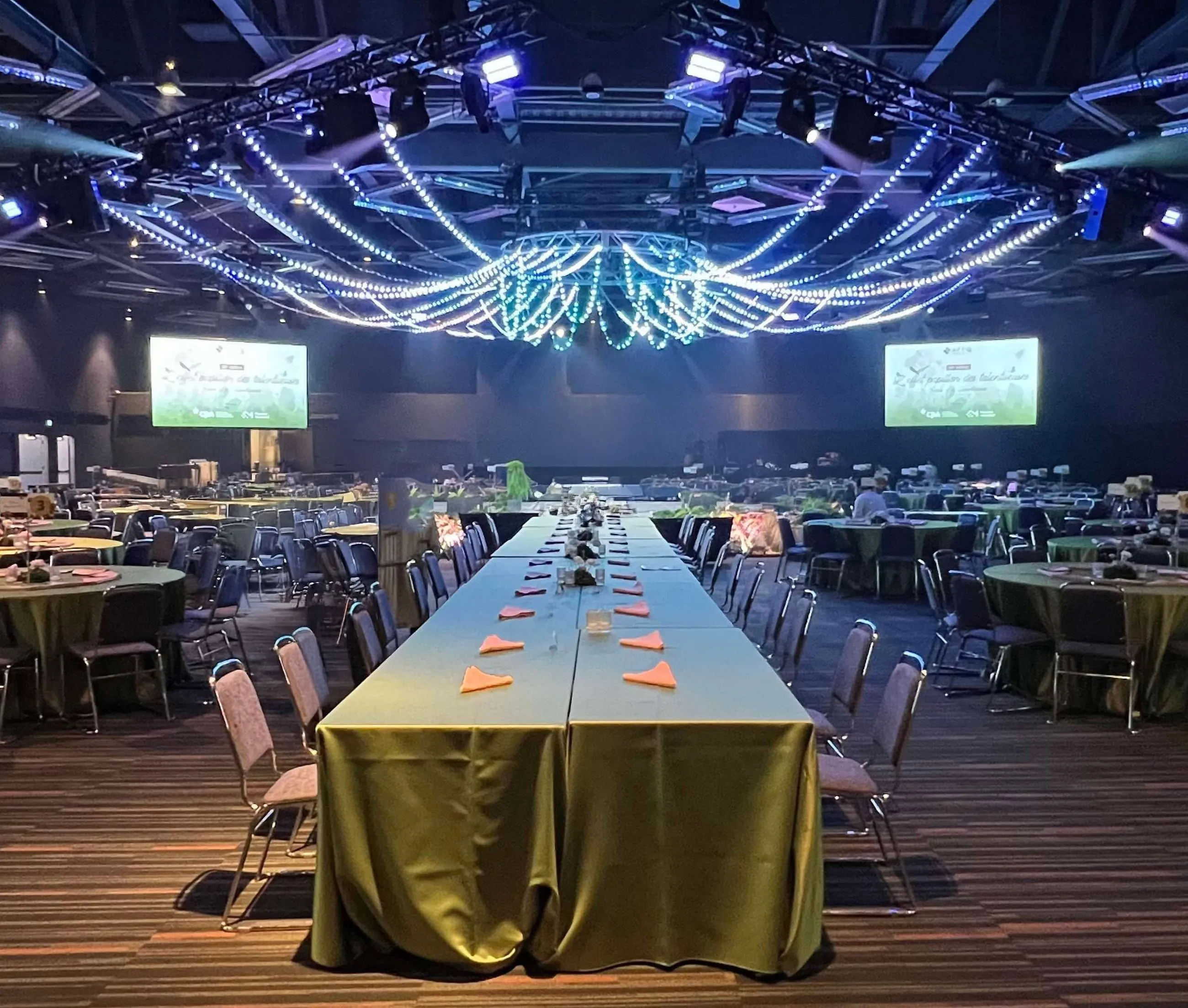
On stage, the screen is your second speaker. If it’s too small, poorly positioned, or washed out by lighting, half the room will tune out. SYNC Audiovisuel designs and installs event display solutions in Montreal, including large-format projection, screens of all sizes, high-brightness LED walls, and complete video production suites.
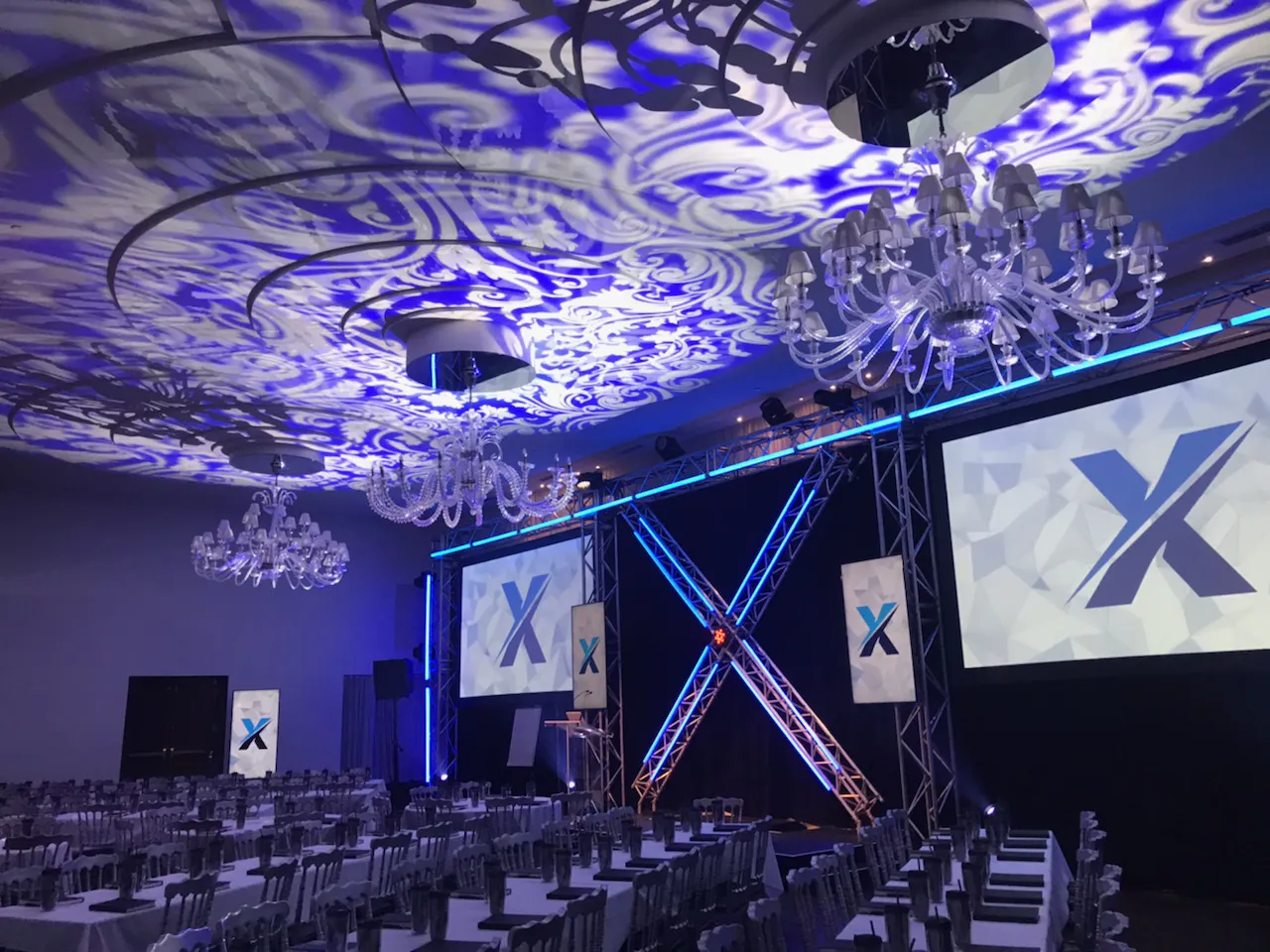
Both technologies display your content, but they perform differently.
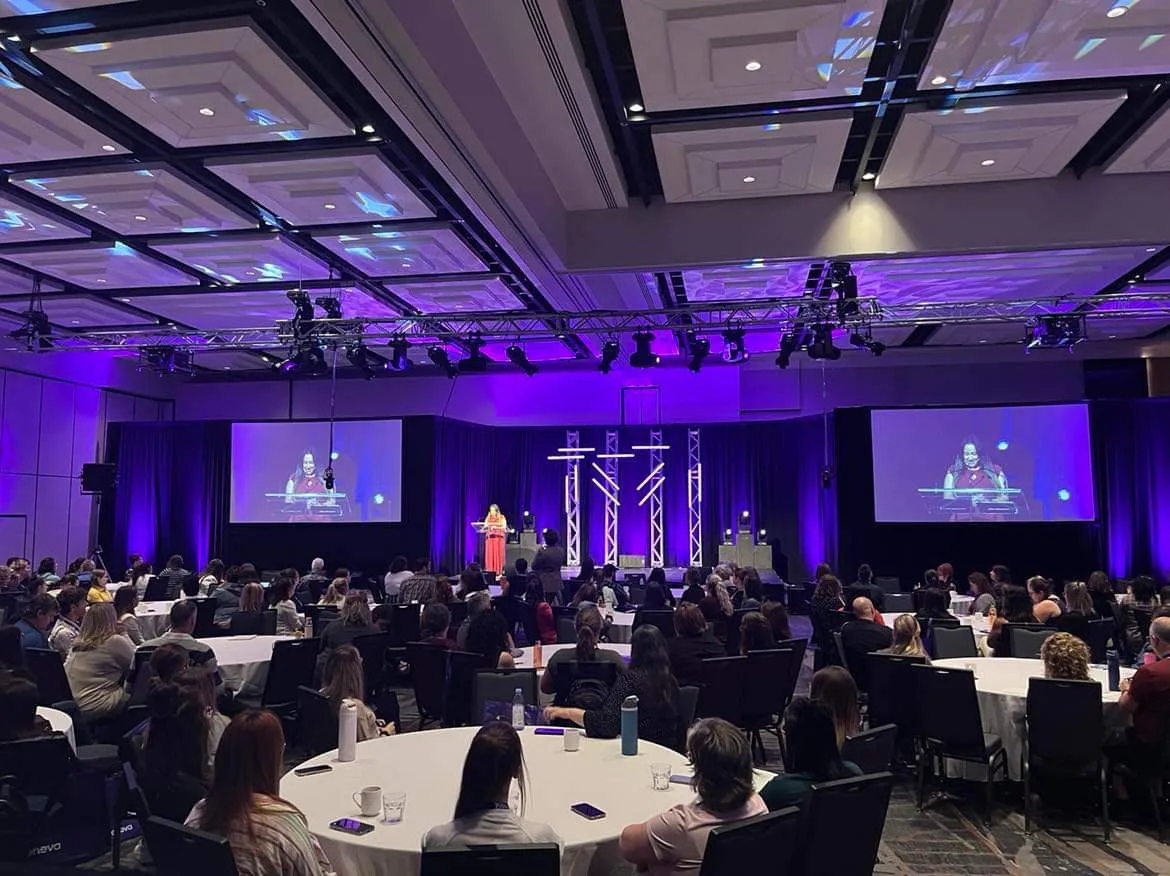
Large-format projection uses a projector and a projection screen (frame-mounted, tripod, or motorized). It is the most flexible and cost-effective solution for large areas: you can cover several meters in width without breaking the budget. However, it requires a room where you can control the lighting, as well as enough throw distance or a rear-projection setup.
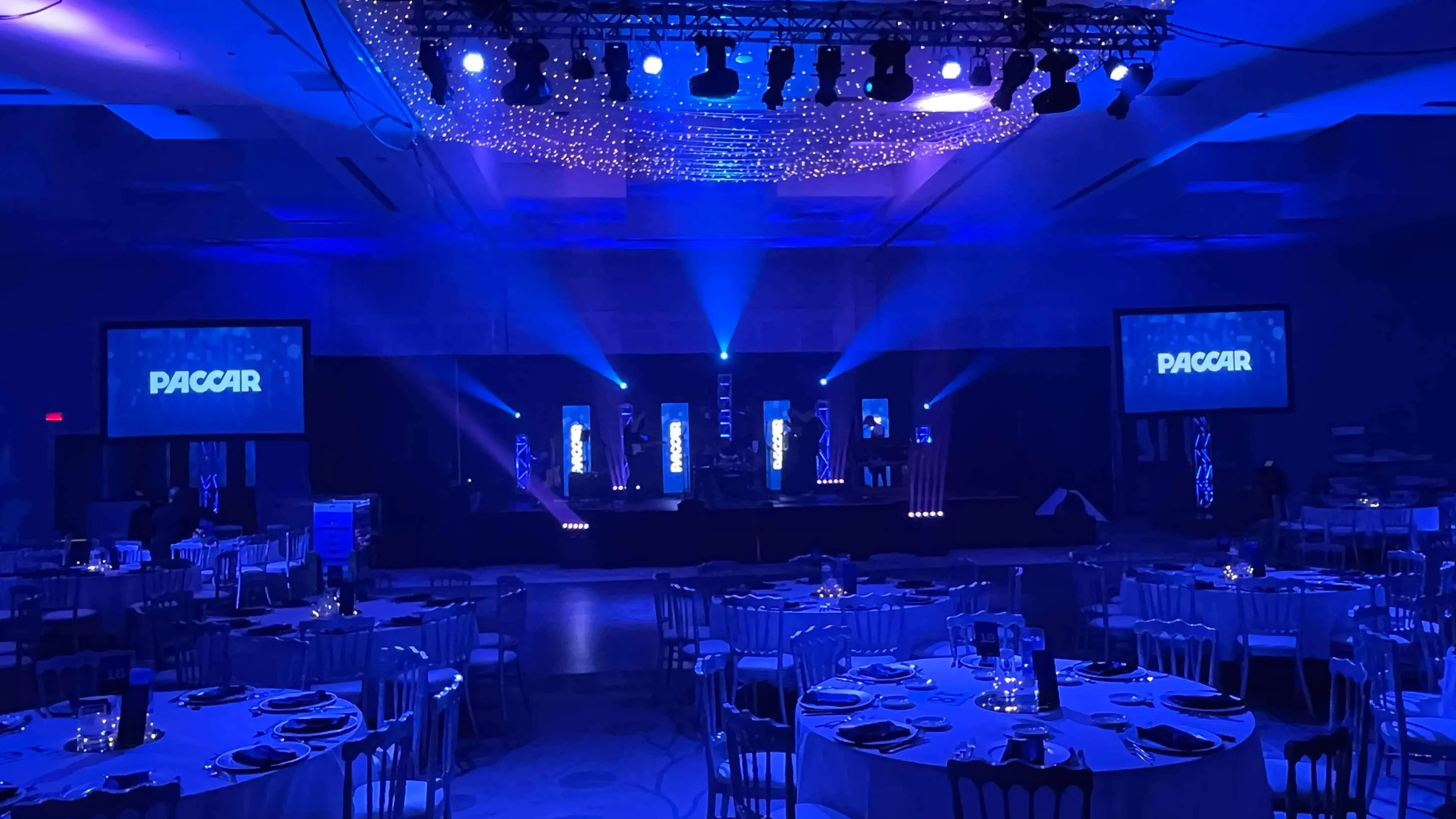
The LED wall is made up of assembled panels. It is much brighter, making it readable even in a well-lit room or near a window, offers sharp images with an excellent viewing angle, and comes in unique formats (extra-wide banners, full backdrops). It is the choice for galas and launches where the screen is part of the decor.
In practice, we decide with you based on four criteria: room brightness, distance to the back row, available stage width, and budget. A properly sized, high-quality projection screen will always beat an undersized LED wall.
Two simple rules we always apply:
Aspect ratio matters too: content designed in 16:9 on an ultra-wide screen leaves two empty bars, and the reverse crops your titles. We verify your presentation templates before the event.
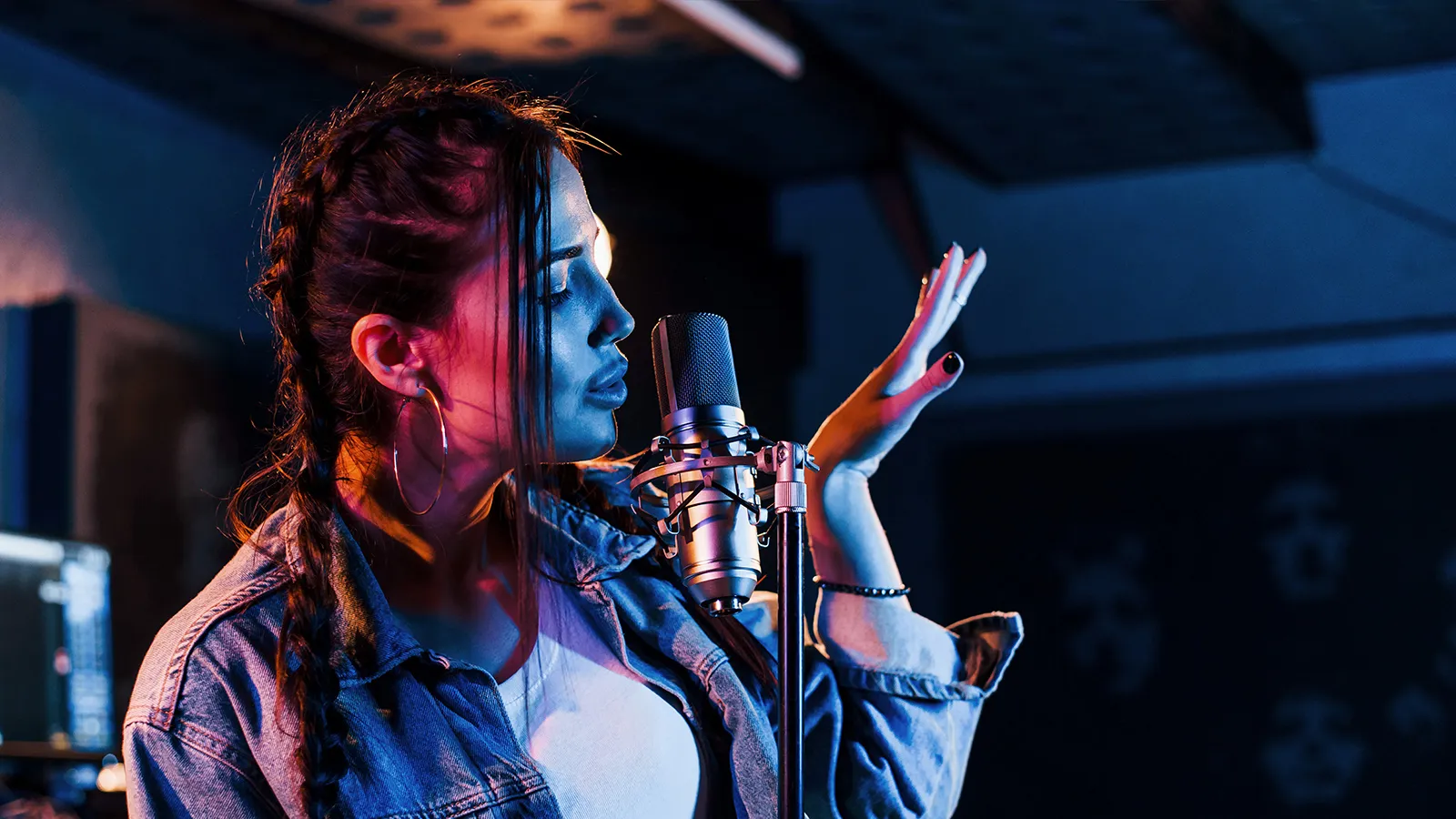
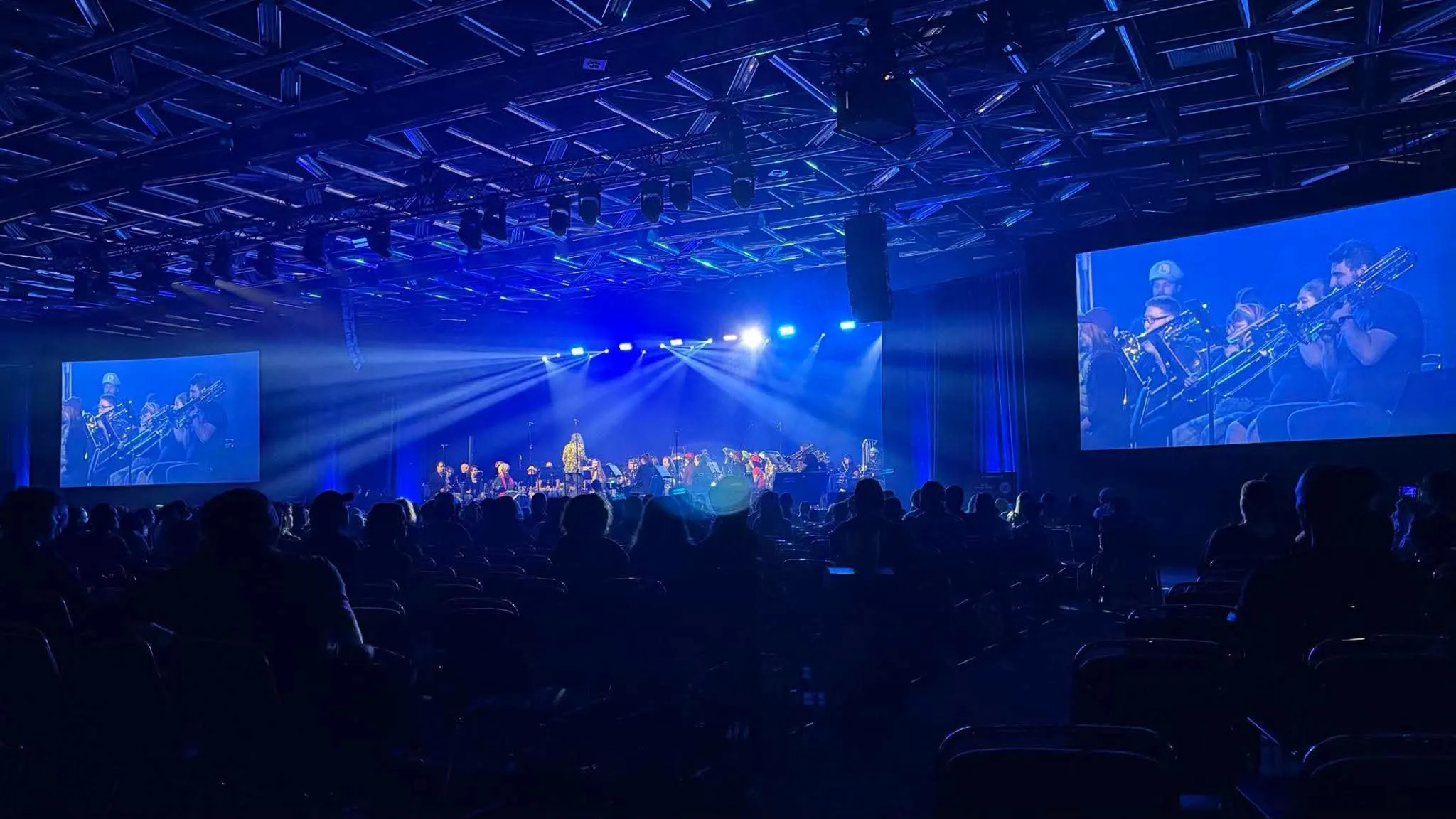
A lighting plan is built in layers, in this order:
the classic conference setup: central image, speaker off to the side.
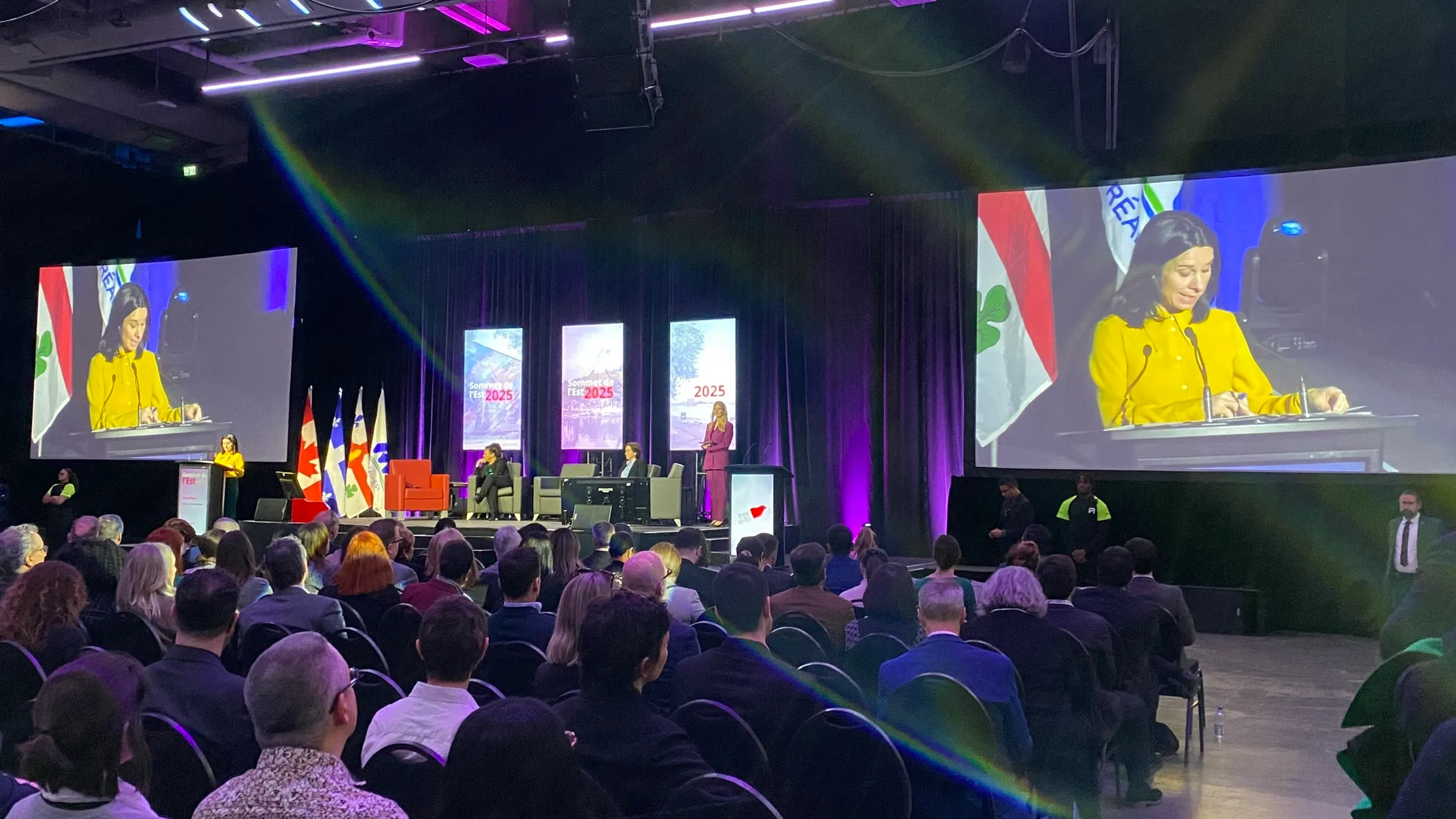
content on each side, with the stage left open in the center for a panel or awards ceremony.
multiple projectors blended to cover the entire width of the stage.
lighting decor, animated backdrops, logos, live content.
when the room does not allow for shadows or space in front of the screen.
for blind spots, lobbies, and reception areas.
All our screens are mounted on verified structures with clean finishing (skirting, frames): no wobbly tripods in the middle of a gala.
Transport, delivery, assembly, and dismantling are all part of the service. Our technicians arrive to assemble the structure, align the projector or panels, adjust the geometry, and check the image from several points in the room—including the off-center seats that are always overlooked.
You aren't buying a product to install yourself: you are getting a system that is assembled, tested, and operated. This is also why the value for money of an event rental is hard to compare to buying a screen in a store; what you are paying for is reliability on the big day.
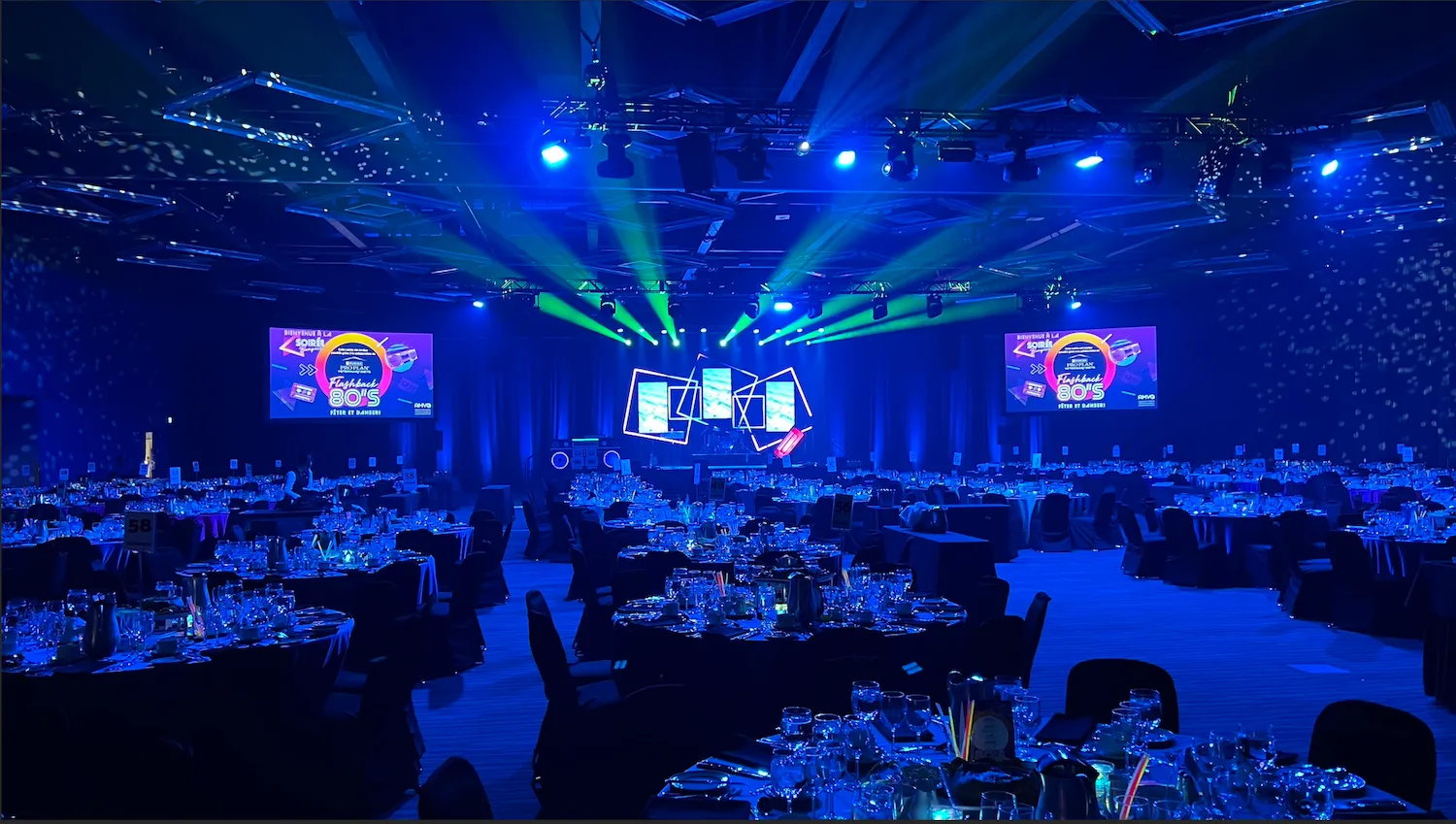
A projection screen is more than just a white sheet. Three elements determine image quality:
The screen material. Its gain and tint affect perceived brightness and viewing angle. A matte white surface offers the best viewing angle for a wide room; a high-gain surface focuses light toward the center, which is useful in a bright room but detrimental for those sitting on the sides.
The frame. Our aluminum alloy frame screens keep the fabric perfectly taut, ensuring there are no creases or ripples. This is the visible difference between a professional stage screen and a portable tripod-mounted office model.
Structure and support. Depending on the venue, the screen is suspended from a truss, placed on stands, or installed as a motorized screen that lowers when needed.
In terms of dimensions, we think in meters for the stage rather than the inches used for home cinema models: our range covers everything from 2 meters wide for a meeting room to panoramic surfaces over 10 meters wide. Our equipment is compatible with 16:9, 16:10, and ultra-wide formats, and our mounting options adapt to most venues in Montreal.
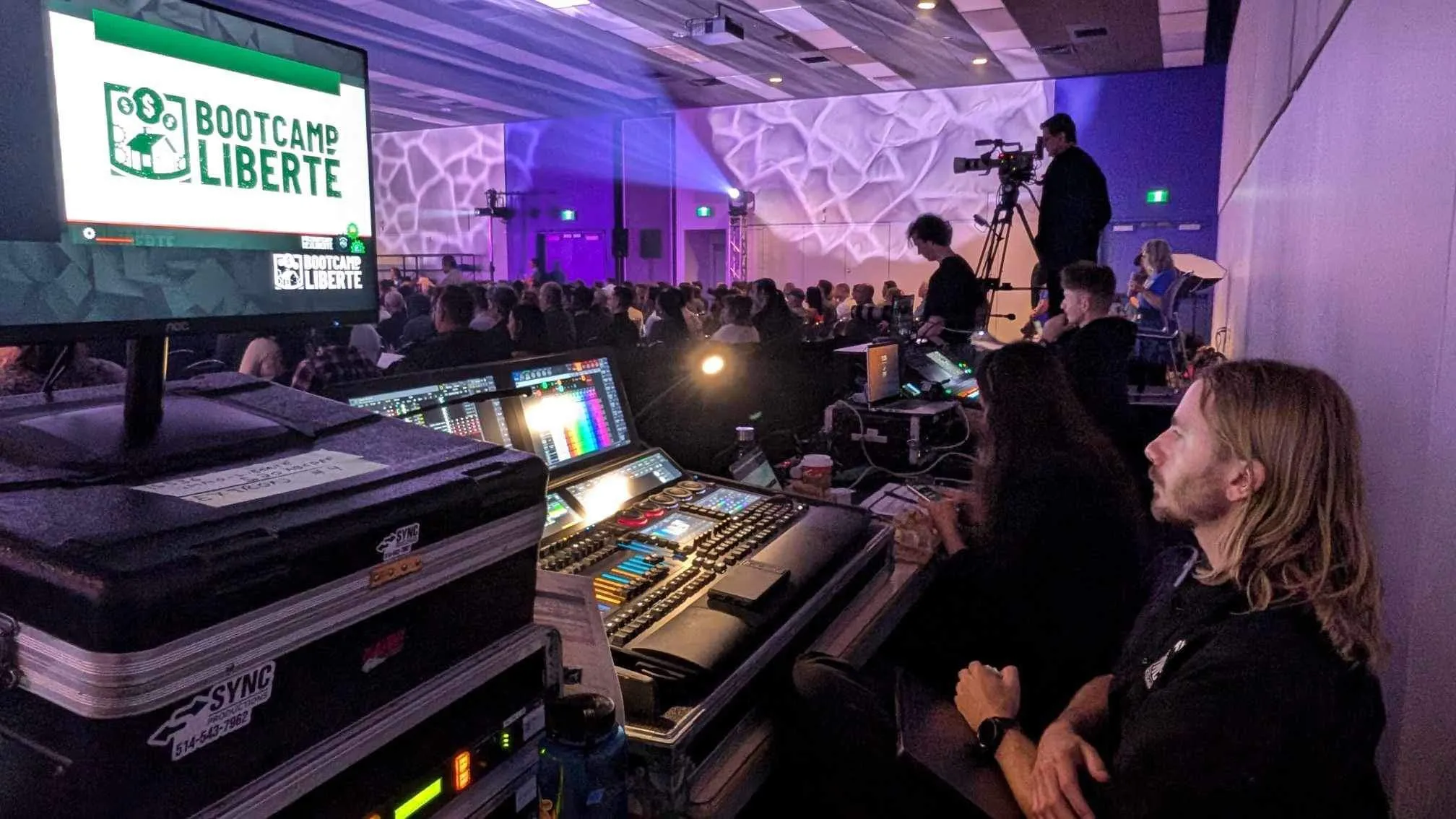
The screen is just the surface. What makes the difference is the control room: an operator who receives presentations, speakers' laptops, videos, and camera feeds, and switches cleanly between them. We always provide a backup source and a secondary computer with your presentations, because a laptop failing to output video three minutes before showtime is a real possibility.
Since we also handle sound, stage lighting, and recording, transitions are coordinated seamlessly: the lights dim, the video starts, and the audio switches. A single point of contact from kickoff to teardown.
A large projection screen is only as good as the projector powering it. We determine the light output (in lumens) based on three factors: the image area to be covered, the ambient light in the room, and the type of content being displayed. Fine text on a white background is less forgiving than high-contrast video.
Our range of projectors spans from compact units for meeting rooms to high-brightness laser models for images over ten meters wide. We always provide the appropriate lenses for the available distance: short-throw when the stage is shallow, long-throw when the projector is at the back of the room, and dual projection as a backup for events where the image must never go dark.
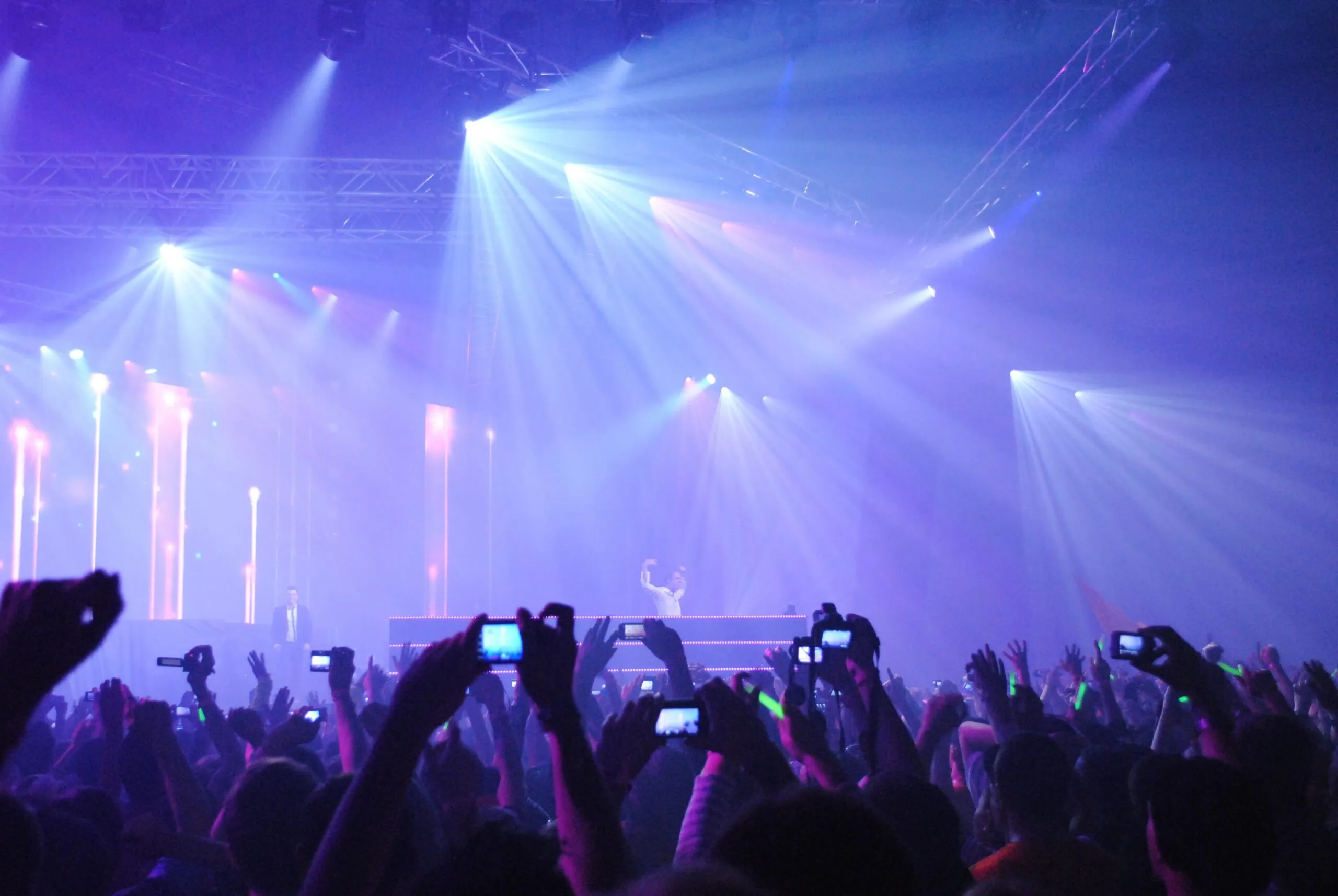
Conferences and conventions, galas, annual general meetings, product launches, training sessions, hybrid events: whenever there is content to display, readability is paramount.
For events broadcast online, we send the content directly to the feed rather than filming the screen, which ensures perfectly crisp text for remote viewers.

Montreal, Laval, Longueuil, Brossard, and the Quebec City region.


Customized audiovisual solutions for immersive corporate events.